

From Trade Show Headaches to a Repeatable Marketing System
Turning a complex portfolio of industry events into a strategic, repeatable process connected to marketing, sales, and business goals.
Trade shows can create tremendous opportunities for B2B organizations. But when every event starts from scratch, processes live in people's heads, and leads aren't followed up on consistently, a significant investment can quickly become a missed opportunity.
The challenge wasn't simply putting on successful trade shows. It was creating a system that made every event more strategic, more efficient, and more valuable to the business.
At a Glance
20+
Trade shows managed
~$400K
Annual event portfolio
Up to ~$200K
Investment in a major event
150–300
Qualified leads from major shows
Within 24 hours
Lead follow-up, improved from months or sometimes never
THE CHALLENGE
Every show felt like starting over.
Trade show planning had historically been managed primarily by one person, with much of the process dependent on individual knowledge rather than a documented system.
Files and information were stored in different places. No consistent project plan or checklist existed. Pre-show strategy was limited, post-show evaluation wasn't standardized, and leads were often distributed through spreadsheets with little visibility into whether or when they were followed up.
There was also a larger opportunity.
Trade shows represented a significant marketing investment, but they weren't fully connected to broader segment priorities, sales goals, customer opportunities, product initiatives, or marketing strategy.
The goal became bigger than simply making the next show run smoothly.
It was to build a system that made every show work harder for the business.
THE APPROACH
Start with the business goals, not the booth.
The process was redesigned to begin well before booth logistics.
Sales, marketing, R&D, segment leads, and product leads got involved earlier so the team could define what the organization wanted to accomplish and what it needed to do to get there.
That meant defining priorities such as:
Target customers and prospects
Customer meetings and relationship-building opportunities
Applications and messaging
Industry trends
Lead-generation goals
Speaking and award opportunities
Media and visibility opportunities
Competitive intelligence
Once those priorities were clear, the operational planning could support them.
BUILDING THE SYSTEM
A repeatable process from strategy through follow-up.
Instead of recreating the process for every event, we developed a connected framework that could scale with the show's size and complexity.
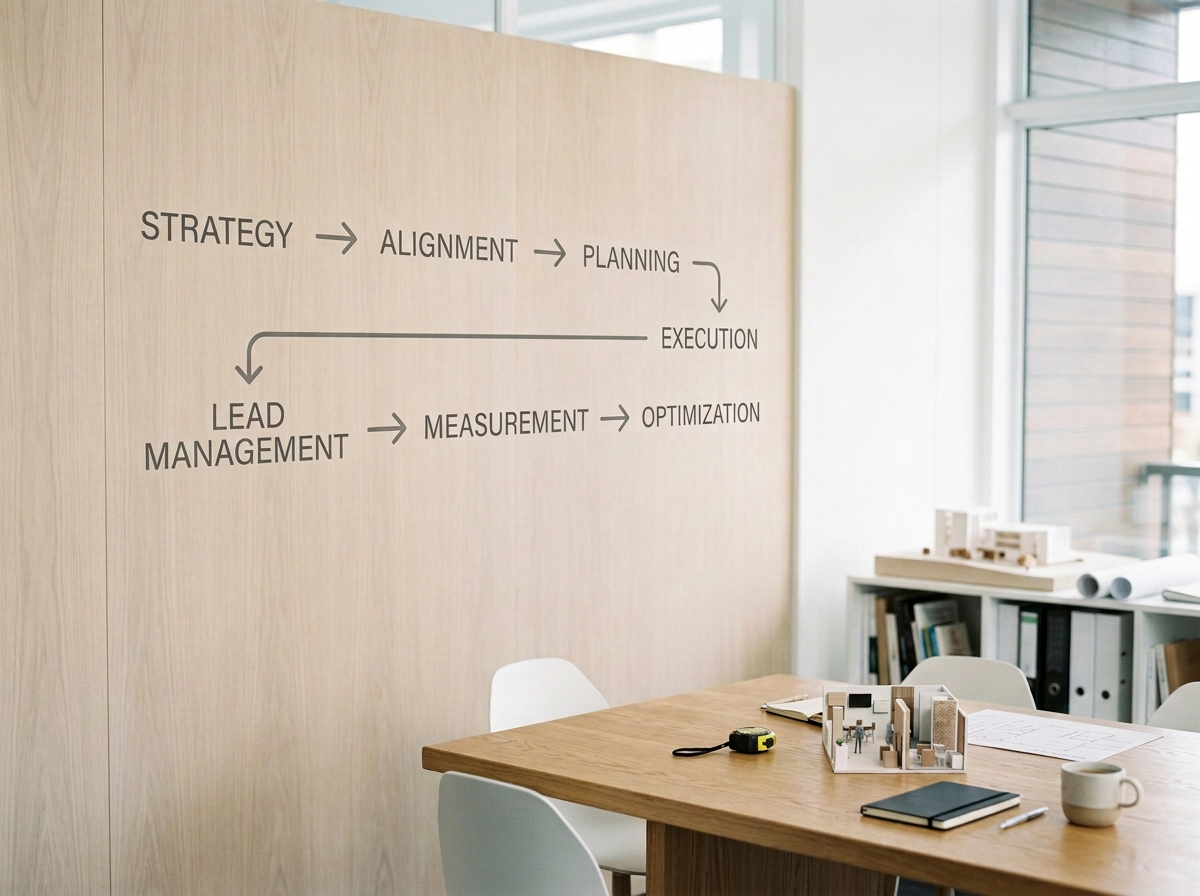
Strategy
Define show objectives, target audiences, customer opportunities, segment priorities, key messages, applications, and success measures.
Alignment
Bring sales, marketing, product, and segment leaders together early to establish responsibilities and priorities.
Planning
Build a detailed project plan that connects deliverables, deadlines, ownership, booth development, applications, marketing materials, staffing, training, schedules, and customer events.
Execution
Coordinate booth staffing, team communication, training, customer meetings, product applications, competitive research, photography, and on-site needs.
Lead Management
Standardize lead capture, connect leads to the CRM, assign ownership, and create a clear sales follow-up process.
Measurement
Evaluate qualified leads, customer meetings, engagement, opportunities, media exposure, successes, and areas for improvement.
Optimization
Document what you learned and incorporate those insights into the next event instead of starting over.
THE SYSTEM IN ACTION
Turning feedback into a better next show.
At one major industry trade show, the scope included coordinating approximately 40 internal team members, nine product applications, customer meetings, booth staffing, training, marketing materials, lead capture, and post-show follow-up. After the event, feedback identified several opportunities to improve scheduling, product coordination, and onsite execution.
Those insights didn't disappear into a post-show report. They became inputs for the next year's planning.
Processes were refined. Responsibilities became clearer. Scheduling and training improved. Lead management became more standardized.
The result was a noticeably smoother event the following year, with overwhelmingly positive team feedback and significantly fewer areas identified for improvement.
Each show became an opportunity to make the next one better.
BEYOND THE BOOTH
Creating value at every step.
The strategy also expanded what counted as trade show success before, during, and after the event.
Customer meetings became a more intentional part of event planning and measurement. Sales teams were prepared to connect featured applications and solutions to customer needs. The team documented competitive activity onsite to provide additional market insight.
The team built media relationships at events to increase coverage and industry visibility.
At one major industry event, a featured application received a prominent industry award. The win generated additional media coverage and LinkedIn engagement and led to an invitation to participate on the judging panel the following year.
The trade show was no longer just about what happened inside the booth.
It became a platform for:
LEAD GENERATION, CUSTOMER ENGAGEMENT, INDUSTRY VISIBILITY, COMPETITIVE INTELLIGENCE, & SALES OPPORTUNITIES
THE RESULTS
A stronger process. More value from every event.
The new system created a repeatable framework that could support everything from smaller regional shows to major industry events approaching a $200,000 investment.
Most importantly, it addressed one of the largest gaps in the previous process.
Lead follow-up went from months to within 24 hours.
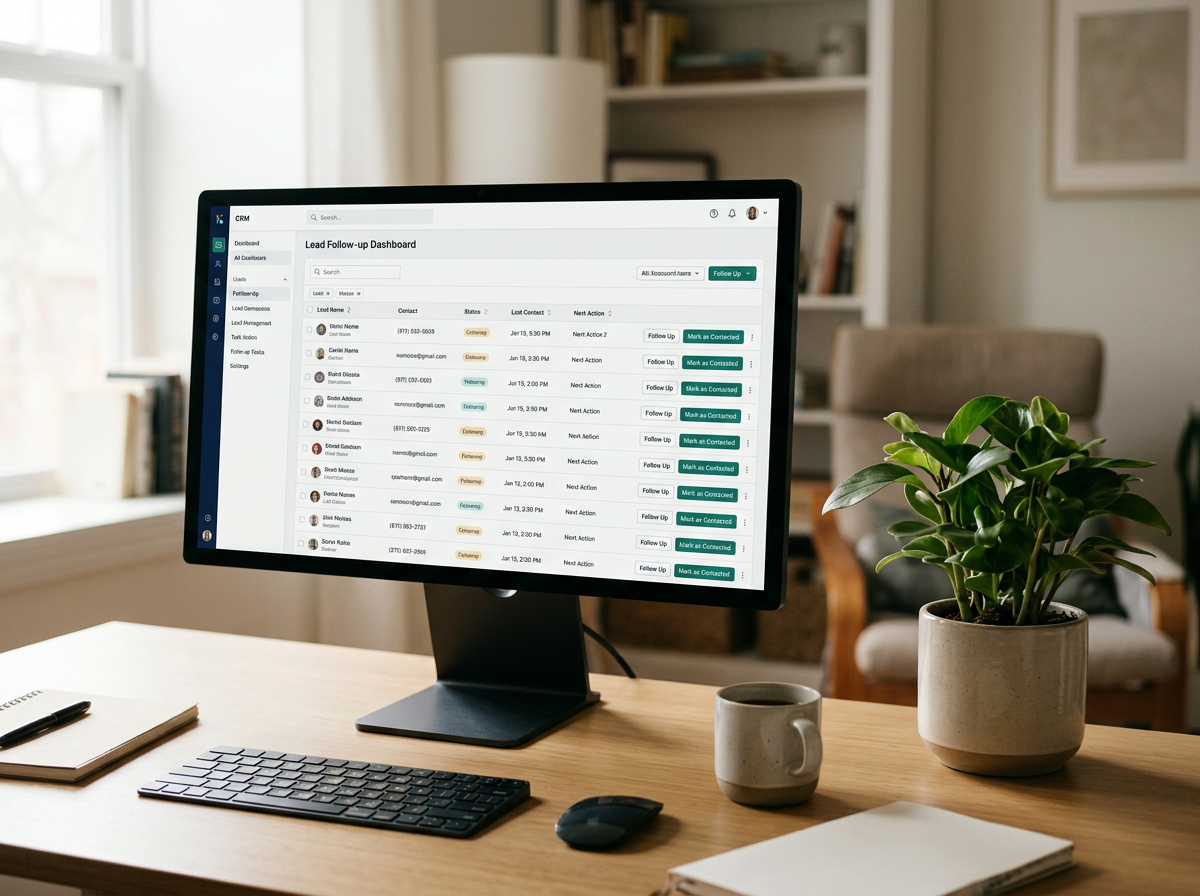
Through standardized lead capture, CRM integration, clear ownership, and sales alignment, we routed qualified leads for follow-up within a day of the show.
THE ORGANIZATION GAINED:
A repeatable process across 20+ events
Clearer ownership and cross-functional collaboration
Faster and more consistent lead follow-up
150–300 qualified leads from major shows
More intentional customer meetings
Stronger sales and marketing alignment
Increased media and industry visibility
Better visibility into event successes and opportunities
A scalable process that could adapt to different event sizes and budgets
Continuous improvement from one event to the next
The biggest transformation wasn't the event. It was the business outcomes.
Trade shows stopped being siloed marketing activities and became part of a broader system that connected marketing strategy, sales priorities, customer relationships, lead generation, industry visibility, and business goals.
And because the process was documented and repeatable, the organization no longer had to reinvent the approach for every show.
Each event generated more than leads.
It generated insights that made the next event stronger.
Ready to move marketing forward?
Complex Marketing Works Better With a System.
When an initiative involves multiple teams, competing priorities, deadlines, and many moving pieces, execution alone isn't enough.
Parks Evolution helps B2B organizations bring clarity, structure, and accountability to complex marketing initiatives, so teams spend less time clearing roadblocks and more time proactively moving the business forward.